

Key takeaways
- A patch test means trying a little product on a small area before using it on your whole face.
- An allergic reaction can take 24 to 48 hours to appear, so it's worth checking the area the next day too.
- Itching, hives, swelling or redness that gets worse aren't normal: rinse the area and stop using the product.
- Add only one new product at a time, so you know which one it was if something happens.
- Passing the test helps a lot, but it doesn't fully rule out a reaction later on.
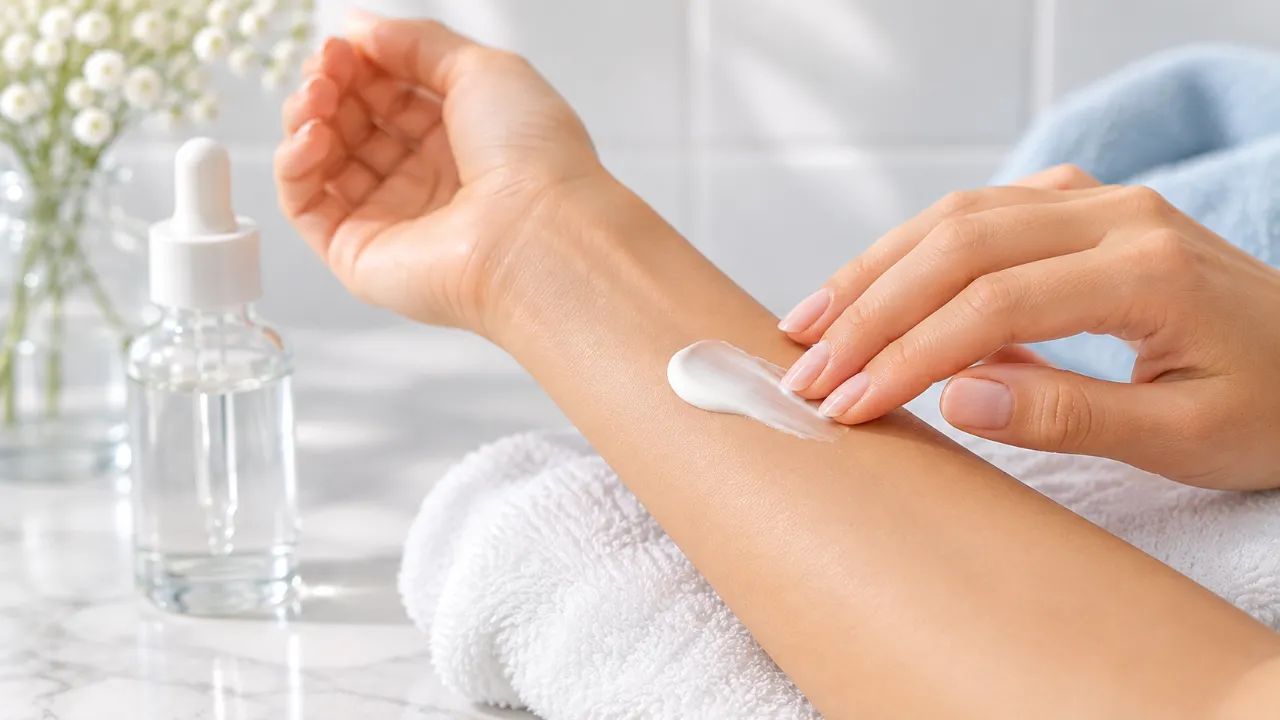
A patch test is the simplest way to find out whether a new product agrees with you before putting it on your whole face: you apply a little to a small area, wait and watch. It takes a few days, but it can spare you irritation across your whole face.
Here's how to do it, what's normal and what isn't, and how to add new products to your routine calmly.
Why it's worth doing
Any cosmetic can trigger a reaction in someone. Allergic reactions to cosmetics most often show up as an itchy red rash, and among the most common allergens are fragrances, preservatives, dyes and some metals.2
The FDA also notes that words like hypoallergenic or for sensitive skin have no official definition, so they aren't enough to know whether a product will agree with you. That's why some brands, like hair dye makers, ask you to test a small amount first.2
How to do it, step by step
- Choose a small area: behind your ear, on the side of your neck or along your jaw.
- Wash the area with a gentle cleanser and pat it dry.
- Apply a small amount of the product, the way you'd normally use it.
- Leave it on and don't put other new products on that area.
- Check the area in good light, including the next day.
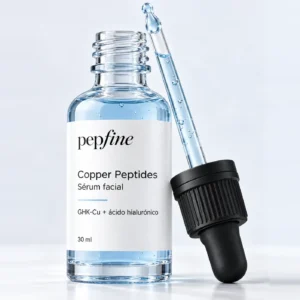
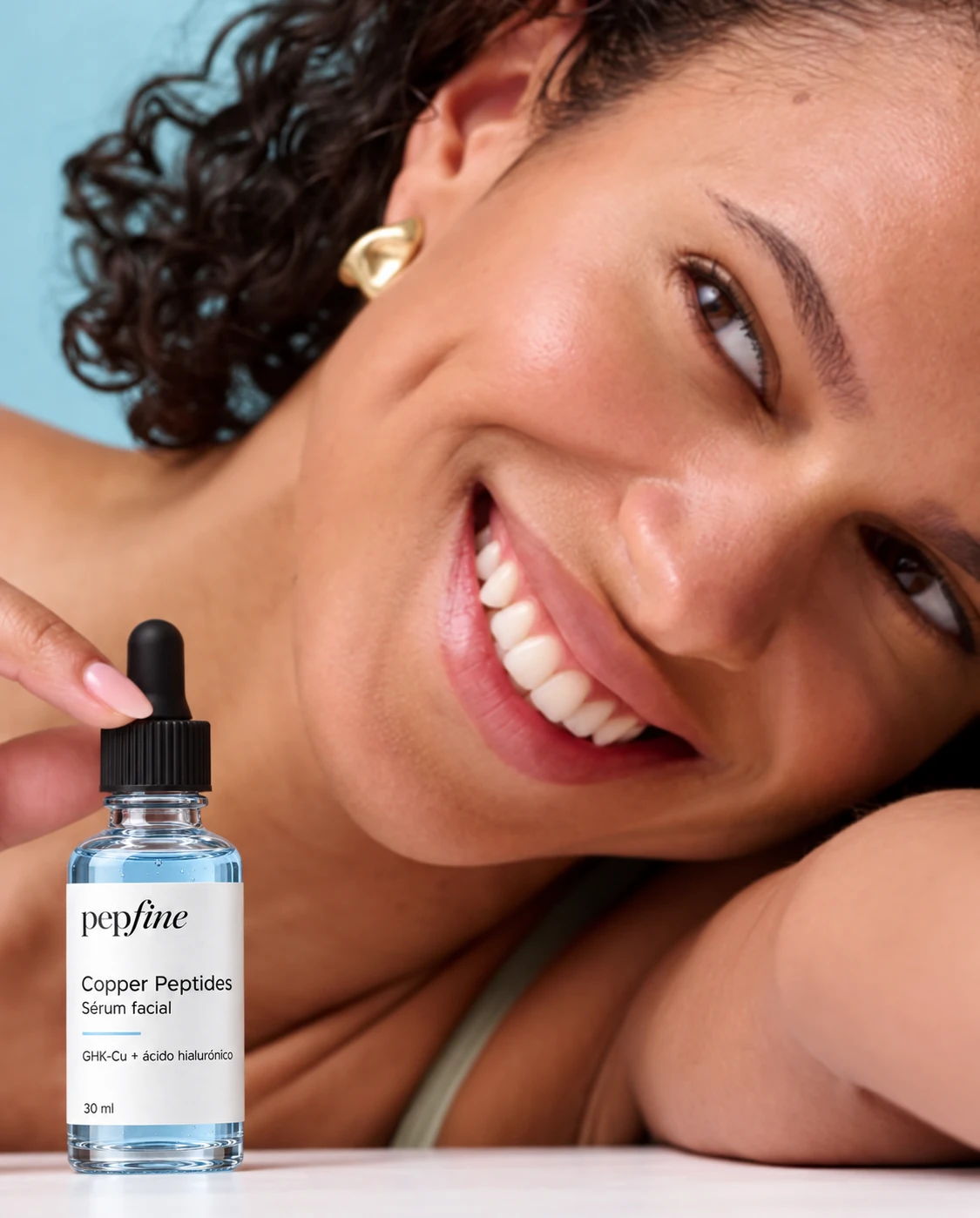
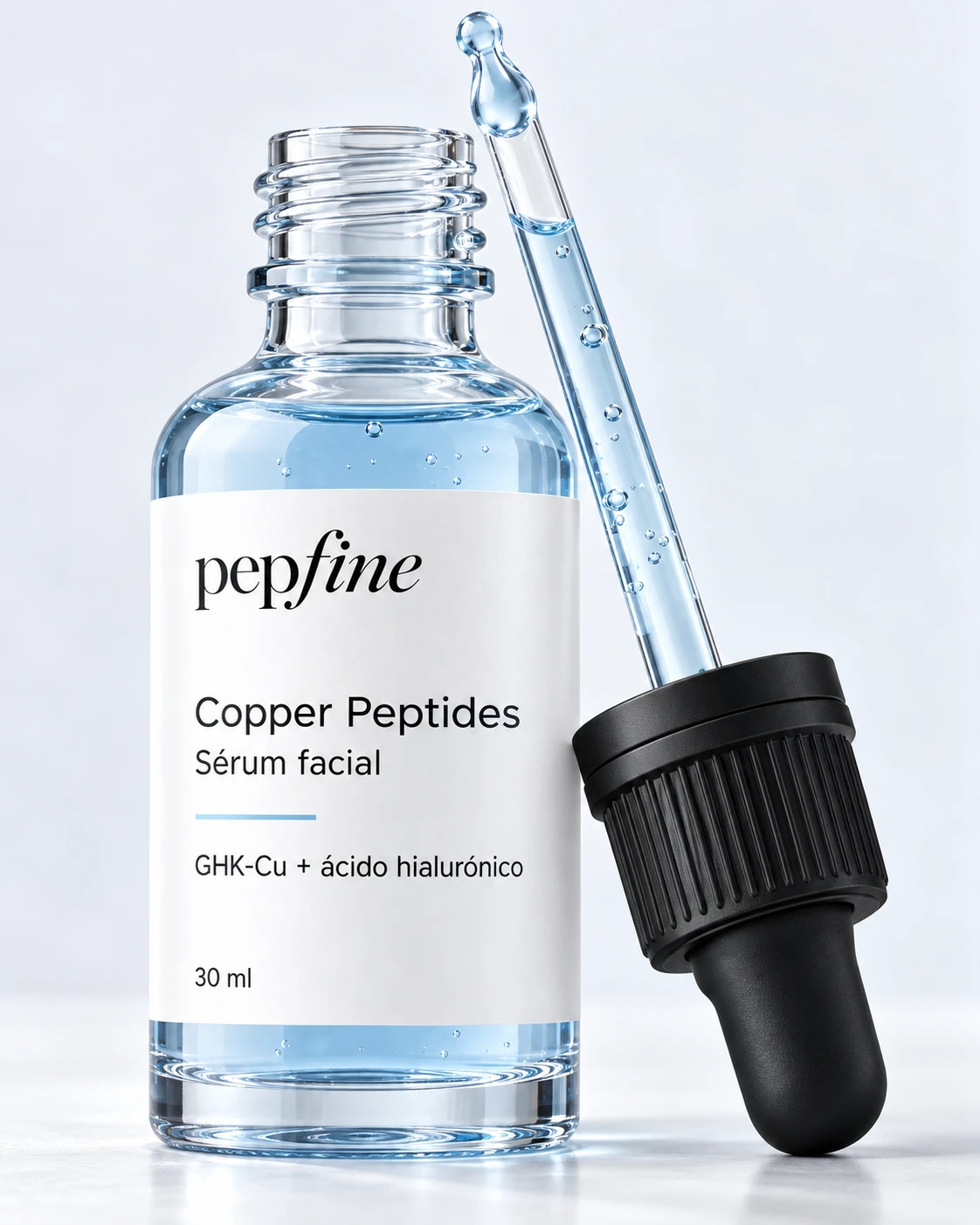
Para el Sérum Pepfine, su página indica probarlo en una zona pequeña durante 24 horas antes de usarlo en toda la cara. Con otros productos, sobre todo los más fuertes, muchas personas prefieren repetir la aplicación una o dos veces al día durante unos días.
With rinse-off products
If it's a cleanser or a mask you rinse off, test it the same way you'll use it: apply it to the area, leave it on for the time the label says and rinse. That way you test the product under the same conditions it will have on your face.
Para productos de contorno de ojos, no hagas la prueba cerca de los ojos: usa la misma zona detrás de la oreja o en la mandíbula. Y si un producto dice en su etiqueta que se evite el contorno de los ojos, como el Sérum Pepfine, respeta esa indicación también después de la prueba.
Why wait until the next day
An allergic reaction doesn't always show up right away. It often takes 24 to 48 hours to appear. And it doesn't always happen the first time you use something: sometimes it shows up after using it several times.1
What's normal and what isn't
A slight tingle that lasts a few seconds can be normal with some actives. What isn't normal: burning that doesn't go away, itching, hives, swelling or redness that gets worse over the days. If any of that appears, rinse the area with water and stop using the product.
- Irritation: burning, stinging, skin that's red, dry or rough right where you applied the product.
- Allergy: itching, sometimes intense, with a red rash, bumps or hives.
Both are signs to stop. The difference helps you tell your dermatologist what happened if you need to see one.1
If you passed the test
Start on your whole face, but take it slow: for the first few days use it once a day and, if all goes well, move to the recommended frequency. Keep the rest of your routine the same in the meantime. If in those first days you notice something odd on your face that didn't show up in the test, go back to basics and stop the new product before continuing.
Passing the test helps a lot, but it doesn't fully rule out a reaction. Facial skin is more delicate than neck skin, and an allergy can show up even with a product you already used without trouble. If something changes later on, don't rule it out as the cause.1
Why one at a time
If you start three products the same day and your skin reacts, you won't know which one it was. Going one at a time also lets you see what really works for you.
Also, products that irritate the skin can leave dark spots, especially in medium and darker skin tones. Another reason to go slowly and choose gentle formulas.3
With strong actives
With retinoids or chemical exfoliants, even after passing the patch test, start with a few nights a week and increase gradually if your skin tolerates it. That gives it time to adapt without irritation.
Sensitive skin: extra tips
- Choose fragrance-free formulas, and read the full ingredient list.
- Avoid starting products when your skin is already irritated or sunburned.
- Keep a simple base: gentle cleanser, moisturizer and sunscreen.
- Keep a log: the date you started each product and any reaction.
When to see a professional
See a dermatologist if the reaction doesn't improve a few days after stopping the product, if it spreads beyond where you applied it or if it keeps happening with different products. They can do allergy patch testing to find out exactly what you react to. If you already tried the product and it caused a reaction, bring it with you.1
If a reaction is strong, spreads or affects your eyes or breathing, seek medical care right away.2
Frequently asked questions
Where should I do a patch test?
On a small, discreet area like behind the ear, on the side of the neck or along the jaw, where skin is similar to your face.
How long should I wait?
Check the area for at least 24 hours, and ideally the next day too, since an allergic reaction can take 24 to 48 hours to appear.1
Does a patch test make sure there won't be a reaction?
Not 100%, because facial skin is more delicate and an allergy can develop over time, but it greatly reduces the risk of surprises.
¿También en suplementos?
No se hace prueba de parche con suplementos. Revisa la etiqueta por posibles alergias y consulta a tu médico si tomas medicamentos.


 ✦✦✧✦