

Key takeaways
- Retinol is a vitamin A derivative; when you start it can dry or irritate, so you introduce it slowly and at night.
- Exfoliating acids (like glycolic, lactic or salicylic) shed the surface layer of skin and increase sun sensitivity.
- Los péptidos no exfolian, se usan mañana y noche y suelen ser la opción más cómoda para piel sensible.
- You can have all three in a routine, but not in the same layer: retinol and acids go on different nights.
- With retinol or acids, daily sunscreen is part of the plan.
Retinol, ácidos o péptidos: los tres aparecen en casi cualquier rutina, pero no hacen lo mismo ni se sienten igual. El retinol y los ácidos exfoliantes son activos más intensos que pueden irritar al empezar; los péptidos son más amables y se usan mañana y noche. Elegir bien depende de tu piel y de cuánto quieres complicarte.
If your skin gets irritated easily, choosing the right active is the difference between a routine you keep and one you give up. Here's what each one is, how it feels, how to combine them and what to avoid.
Retinol: what it is and how it feels
Retinol belongs to the retinoid family, substances related to vitamin A. Within that family, retinol and retinaldehyde are among the least irritating, though when you start they can cause burning or flaking.1
That's why you introduce it slowly: a few nights a week at first, a small amount and a good moisturizer on top. If skin gets irritated, you reduce how often you apply it. If you're pregnant or trying to get pregnant, check with your doctor before using any retinoid.1
- It's used at night.
- When you start, it can dry, flake or make skin feel sensitive.
- It calls for sunscreen every day.
Exfoliating acids: AHAs and BHAs
The most common alpha hydroxy acids (AHAs) in cosmetics are glycolic and lactic acid. They cause exfoliation, meaning the surface layer of skin sheds. How much they exfoliate depends on the type of acid, its concentration, its pH and the rest of the formula.2
AHAs increase skin's sensitivity to the sun. That's why it's recommended to use sunscreen, wear protective clothing and limit sun exposure while you use them and for the following week.2
The most widely used beta hydroxy acid (BHA) in cosmetics is salicylic acid; on labels it may also appear as salicylate or willow extract. With these products, it's recommended to test on a small area first, follow the directions without using them more often than the label says, use sun protection and not apply them to babies or children.3
Péptidos: la opción más amable
Los péptidos son cadenas cortas de aminoácidos. A diferencia del retinol y los ácidos, no están pensados para exfoliar ni para acelerar la renovación de la piel, así que no se asocian con la descamación ni con la purga.
- They can be used morning and night.
- They usually feel comfortable, even on sensitive skin.
- They pair with hyaluronic acid, niacinamide and ceramides.
- They fit a short three-step routine.
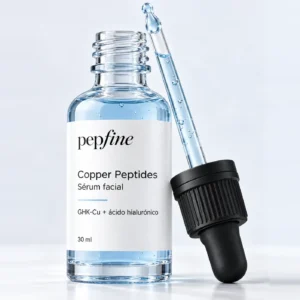
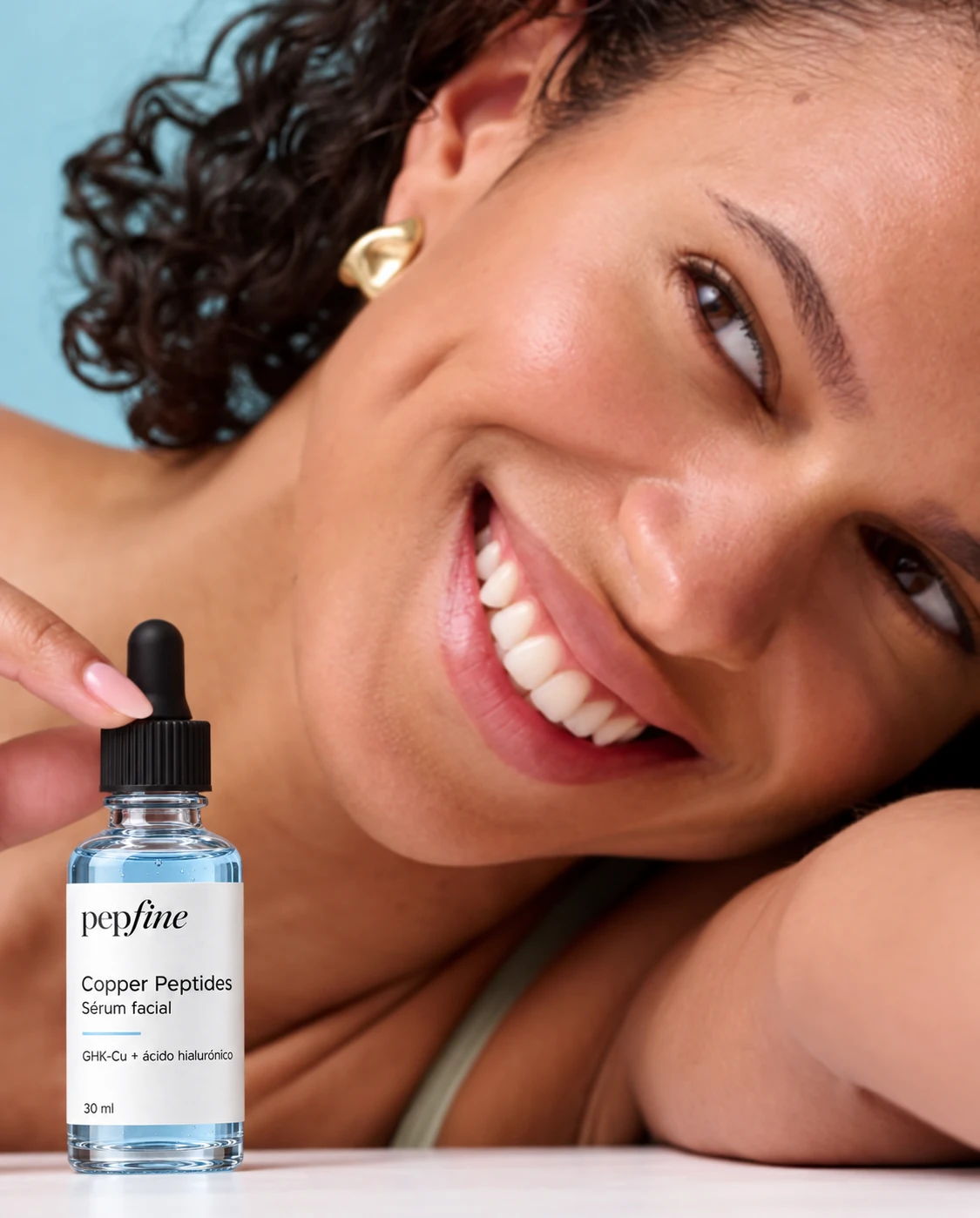
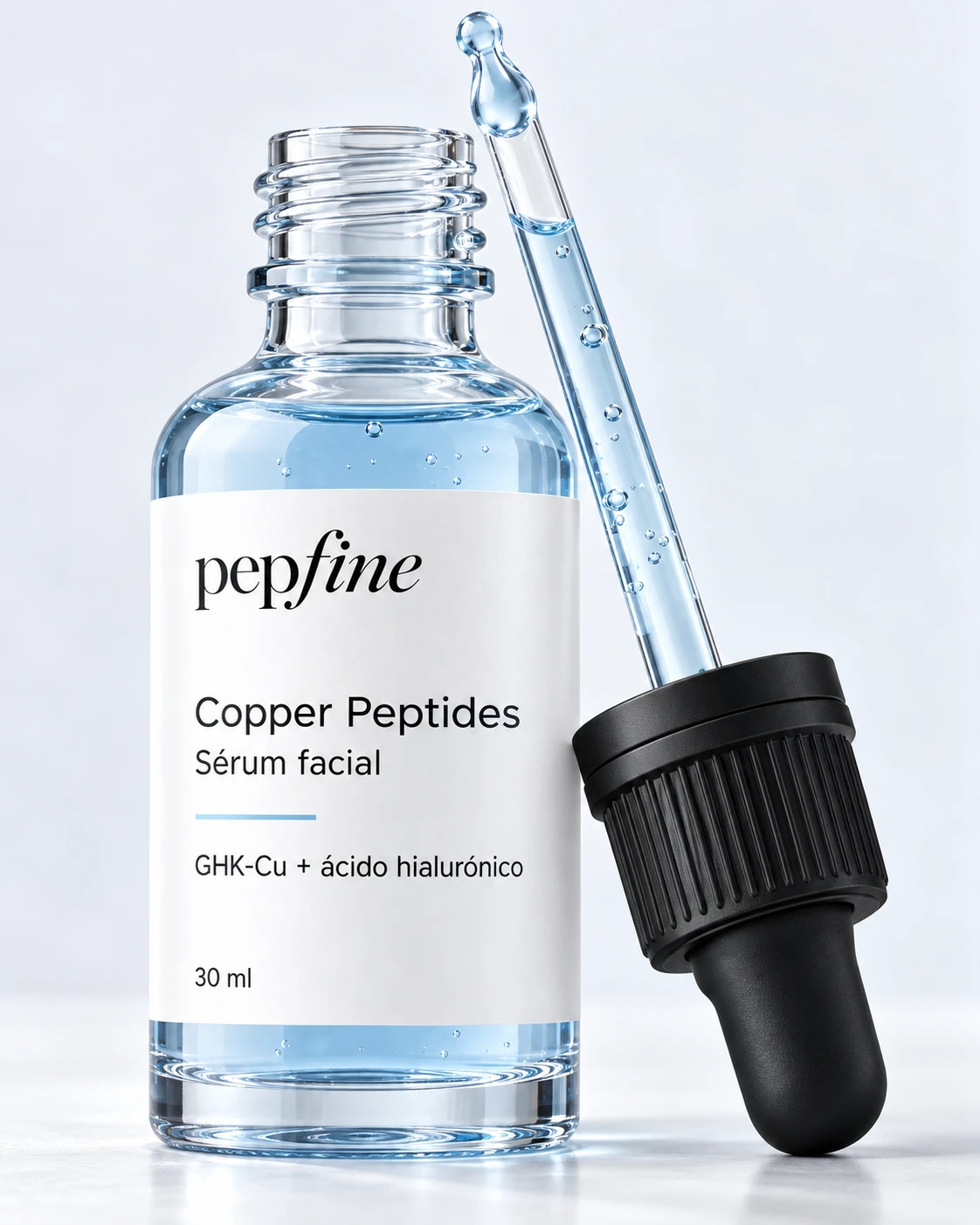
El Sérum Pepfine, por ejemplo, lleva péptido de cobre (GHK-Cu) y ácido hialurónico, sin ácidos exfoliantes. Se usan 3 o 4 gotas mañana y noche, sobre la piel limpia y antes de la crema.
Which to choose for your skin?
- Piel sensible o que se irrita con facilidad: empieza con péptidos y una buena crema. Si después quieres sumar retinol o ácidos, hazlo de a poco.
- Skin that feels rough or dull: a gentle acid a few nights a week can help it feel smoother, always with sunscreen.
- If you want to improve the look of fine lines and already have a stable routine: retinol is an option, starting infrequently.
- Si estás empezando y no sabes por dónde: limpiador suave, sérum de péptidos, crema y protector. Lo demás puede esperar.
To know what a product contains, check the ingredient list. These are the names you'll see most:
- Retinoids: retinol or retinal (retinaldehyde).
- AHAs: glycolic acid or lactic acid.
- BHAs: salicylic acid, salicylate or willow extract.
- Péptidos: casi siempre llevan la palabra «peptide», como «copper tripeptide-1».
Watch out for hyaluronic acid: it's called an acid, but it doesn't exfoliate. It helps skin hold on to moisture and can be used alongside any of the three.
How to combine them without irritating your skin
Se pueden tener los tres en una rutina, pero no en la misma capa ni al empezar. La regla más útil es un activo fuerte por noche: el retinol y los ácidos exfoliantes van en noches distintas, y el péptido de cobre en otro momento del día que ellos.
- Todas las mañanas: limpiador, sérum de péptidos, crema y protector solar.
- Monday and Thursday nights: cleanser, retinol and moisturizer.
- Saturday night: cleanser, exfoliating acid and moisturizer.
- Las demás noches: limpiador, sérum de péptidos y crema.
It's just an example. If your skin feels tight, burns or looks red, drop the strongest active first and stick to the basics for a few days. Once it feels comfortable, add it back less often.
Common mistakes and when to see someone
- Starting retinol and acids at the same time.
- Using more product or more nights than directed to see changes faster.
- Skipping sunscreen, especially with acids or retinol.
- Mistaking burning for the product working. If it burns or stings for a long time, stop using it.
- Not patch testing before a new product.
If irritation doesn't settle after you stop the product, if you have a skin condition or if you're pregnant or breastfeeding, check with your dermatologist before using retinol or acids.
Frequently asked questions
¿Puedo usar retinol y péptidos juntos?
Sí, en la misma rutina pero no en la misma capa. Con un sérum de péptido de cobre, lo más sencillo es usarlo en la mañana y dejar el retinol para algunas noches.
¿Qué es mejor para piel sensible: retinol, ácidos o péptidos?
Los péptidos suelen ser la opción más cómoda porque no exfolian. El retinol y los ácidos también se pueden usar, pero con poca frecuencia al empezar y después de una prueba de parche.
Do I need sunscreen if I use acids?
Yes. Exfoliating acids increase skin's sensitivity to the sun, so use sunscreen every day while you use them and for the following week.2
Can I use retinol and acids on the same night?
Mejor no, sobre todo al empezar. Ponlos en noches distintas y deja noches de descanso con solo sérum de péptidos y crema.


 ✦✦✧✦