


Key takeaways
- The skin barrier is its outermost layer: it holds in moisture and protects it from the outside.
- Stinging with products you used to tolerate, tightness after washing and rough patches are signs it's feeling sensitive.
- What irritates it most is overdoing it: frequent exfoliation, stacking strong actives, very hot water and harsh cleansers.
- To care for it: a gentle cleanser, fragrance-free moisturizer on damp skin, sunscreen and a pause on strong actives.
- If irritation doesn't improve or gets worse, see a dermatologist.
Skin barrier repair doesn't take a lot of products. The barrier is your skin's outermost layer: it helps hold in moisture and protects it from what comes from outside. When it's in good shape you barely notice it; when it's sensitive, everything stings, burns or feels tight. A simpler, gentler routine usually helps it feel comfortable again.
Here's what it is, how to tell if it's sensitive, what usually irritates it, a morning and night routine to care for it and when to see someone.
What is the skin barrier?
Think of the outermost layer of your skin as a brick wall: the cells are the bricks and skin lipids, like ceramides, are the mortar that holds them together. That wall does two jobs: it keeps water in your skin from escaping and holds back what can irritate it from outside.
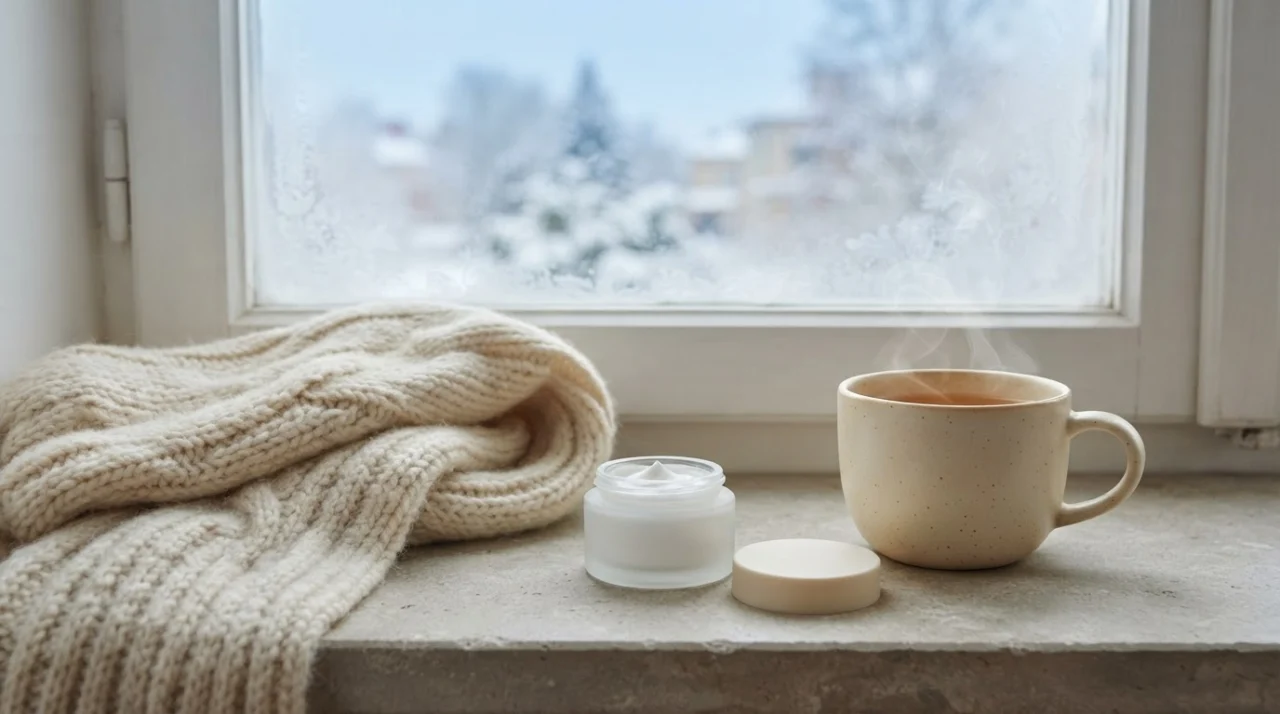
When skin loses a lot of water and oil, it gets dry. That can happen to anyone at any age, and common causes include cold, dry air, indoor heating, long or very frequent showers and some soaps and detergents.2
Signs your skin barrier is feeling sensitive
- Stinging or itching when applying products you used to tolerate.
- A tight feeling after washing your face.
- Redness that shows up easily.
- Rough, dull or flaky patches.
- Makeup that looks patchy in certain spots.
Often it's not that your skin is sensitive by nature, but that it's going through a sensitive phase. That's why it's worth checking what changed in your routine or your surroundings.
What usually irritates the barrier
The most common cause is overdoing it. These are the causes that come up most:
- Exfoliating often, with acids, scrubs or brushes.
- Stacking several strong actives, like retinol and acids, in the same routine.
- Washing with very hot water or for a long time.
- Harsh cleansers or ones with a lot of lather.
- Products with fragrance or alcohol.
- Cold, wind, indoor heating and sun.
Un ejemplo muy común: empiezas un sérum con ácido, sumas un retinol nuevo y, como sientes la piel áspera, la exfolias más. Al poco tiempo todo arde. La solución casi nunca es agregar otro producto, sino quitar y volver a lo básico.
When skin is very dry, the American Academy of Dermatology suggests stopping products with alcohol (except hand sanitizer), fragrance and retinoids.1
How to care for your skin barrier: morning and night routine
The idea is to simplify: fewer steps, gentle formulas and a good moisturizer. While your skin recovers, pause exfoliants and strong actives.
In the morning
- Rinse with lukewarm water or use a gentle, fragrance-free cleanser, without rubbing.
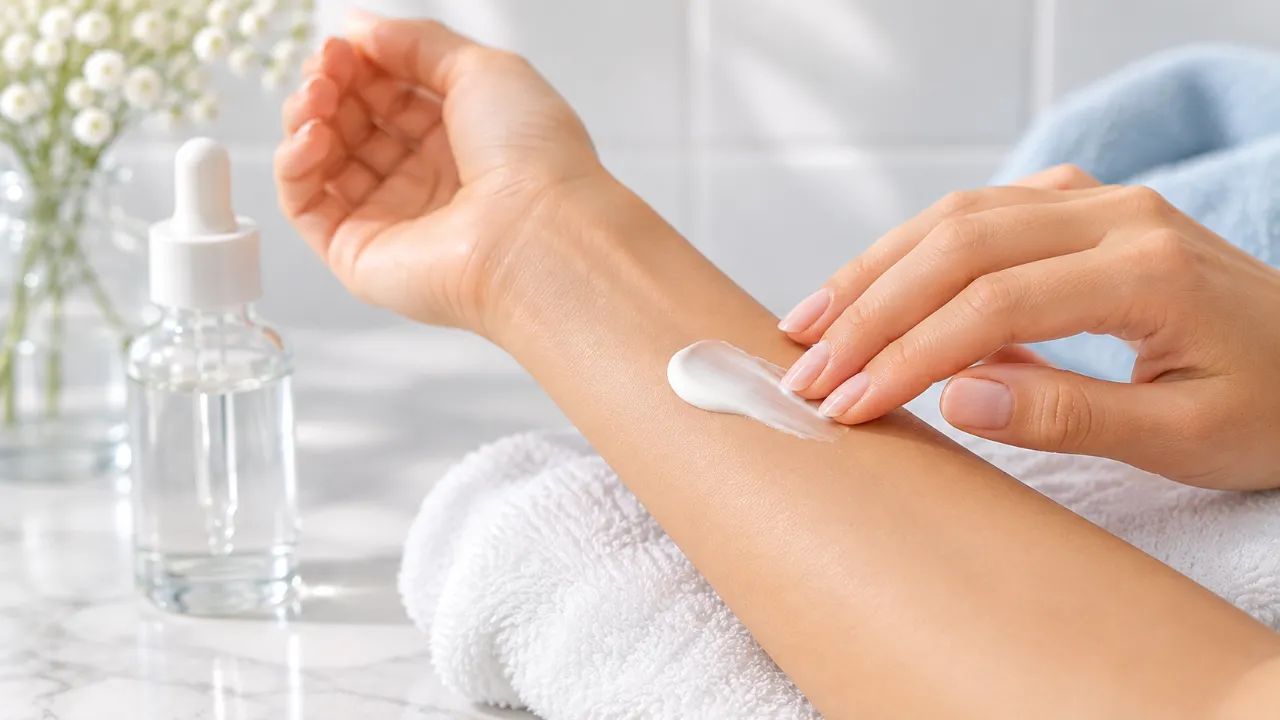
- Pat dry and, while skin is still damp, apply your moisturizer.
- Finish with sunscreen.
At night
- Remove sunscreen and makeup with a gentle cleanser.
- Apply a richer moisturizer, a cream or ointment rather than a lotion.
The American Academy of Dermatology recommends products labeled fragrance-free, applying moisturizer while skin is still damp and choosing creams or ointments, which add more moisture than lotions. Among the ingredients it suggests looking for are glycerin, hyaluronic acid, shea butter, dimethicone and petrolatum.1
Short, lukewarm showers also help, along with closing the bathroom door so the air stays more humid, patting dry and using a humidifier in your bedroom if the air at home is dry.1
And don't forget the rest of your body: hands, legs and arms dry out too. Hand cream after every wash and loose cotton clothing help skin feel more comfortable.1
Skin barrier repair: the steps and products that matter
Skin barrier repair has more to do with removing what irritates it than with adding products. These are the steps that help most, in order:
- Pause anything strong: exfoliants, retinol, acids and products with alcohol or fragrance.
- Cleanse gently: a mild cleanser, a small amount (without a thick lather) and lukewarm water.
- Pat dry, without rubbing, with a clean towel.
- Moisturize while skin is still damp, with a fragrance-free cream or ointment, and reapply whenever it feels dry.
- Protect from the sun every day with broad-spectrum SPF 30 or higher sunscreen.
- If the air at home is dry, a humidifier in the bedroom can help; clean it often.
These are the same tips the American Academy of Dermatology gives for dry skin: short baths with warm water, a gentle cleanser, patting dry and fragrance-free moisturizer as soon as you get out of the shower.1
Which products to use and which can wait
- Sí: limpiador suave, crema o ungüento sin fragancia, protector solar y, si te cae bien, un sérum hidratante sin ácidos.
- Can wait: physical or chemical exfoliants, retinol, pure vitamin C, alcohol-based toners and masks that leave skin tight.
If your skin is very dry, a thicker texture, like an ointment or a rich cream, may feel better at night. During the day, choose whichever feels comfortable under sunscreen.
How to go back to your routine once skin feels comfortable
Once it no longer stings or feels tight, you can slowly go back to your routine. Add one product at a time and wait to see how your skin responds before adding another.
- Empieza por lo más suave, como un sérum sin ácidos exfoliantes.
- Do a patch test before using something new on your whole face.
- Leave retinol and acids for last and use them only a few nights a week.
- If something stings again, drop it and go back to basics.
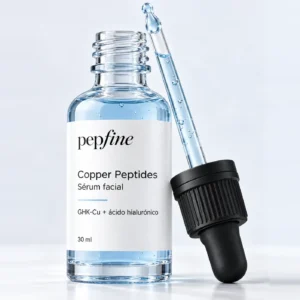
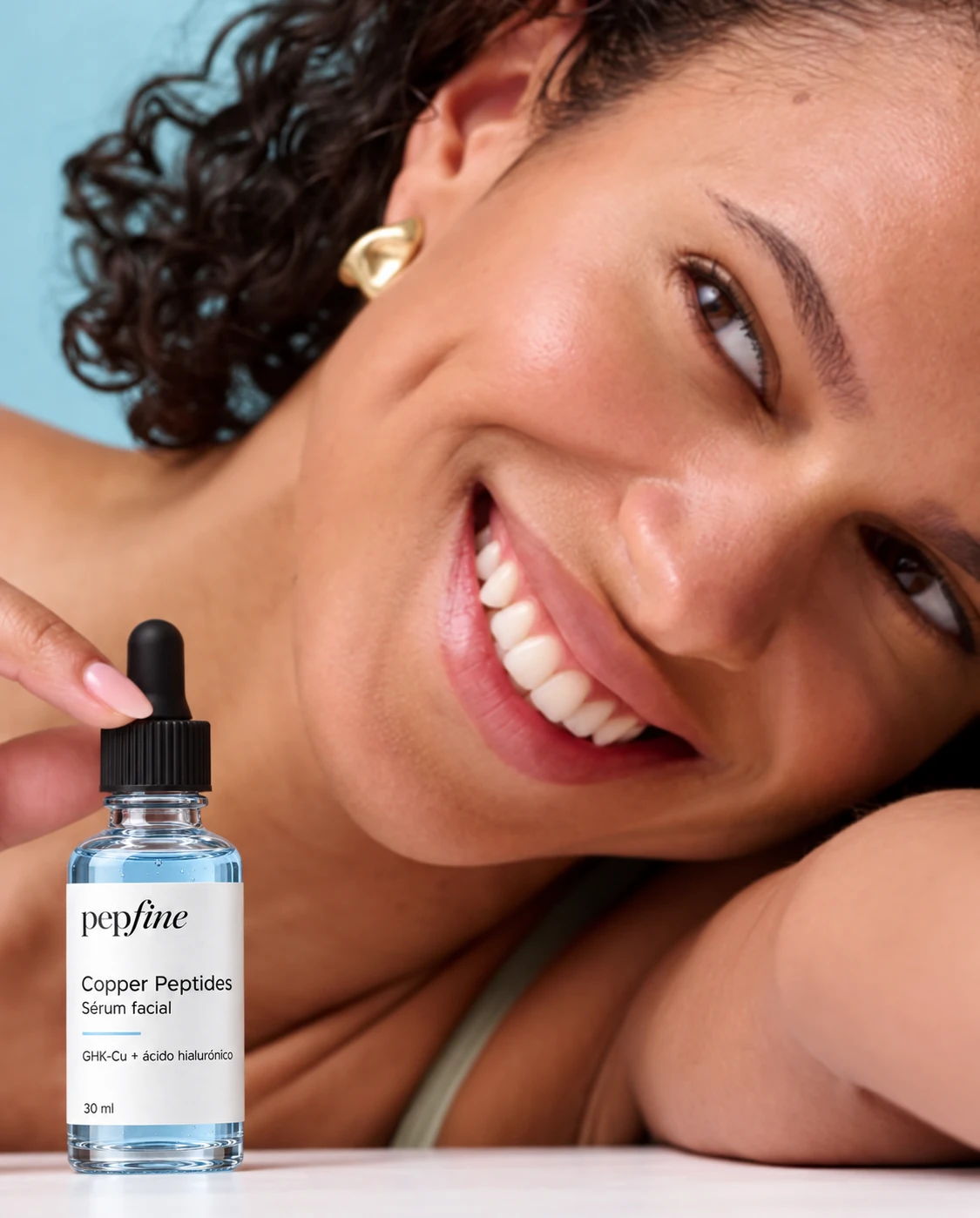
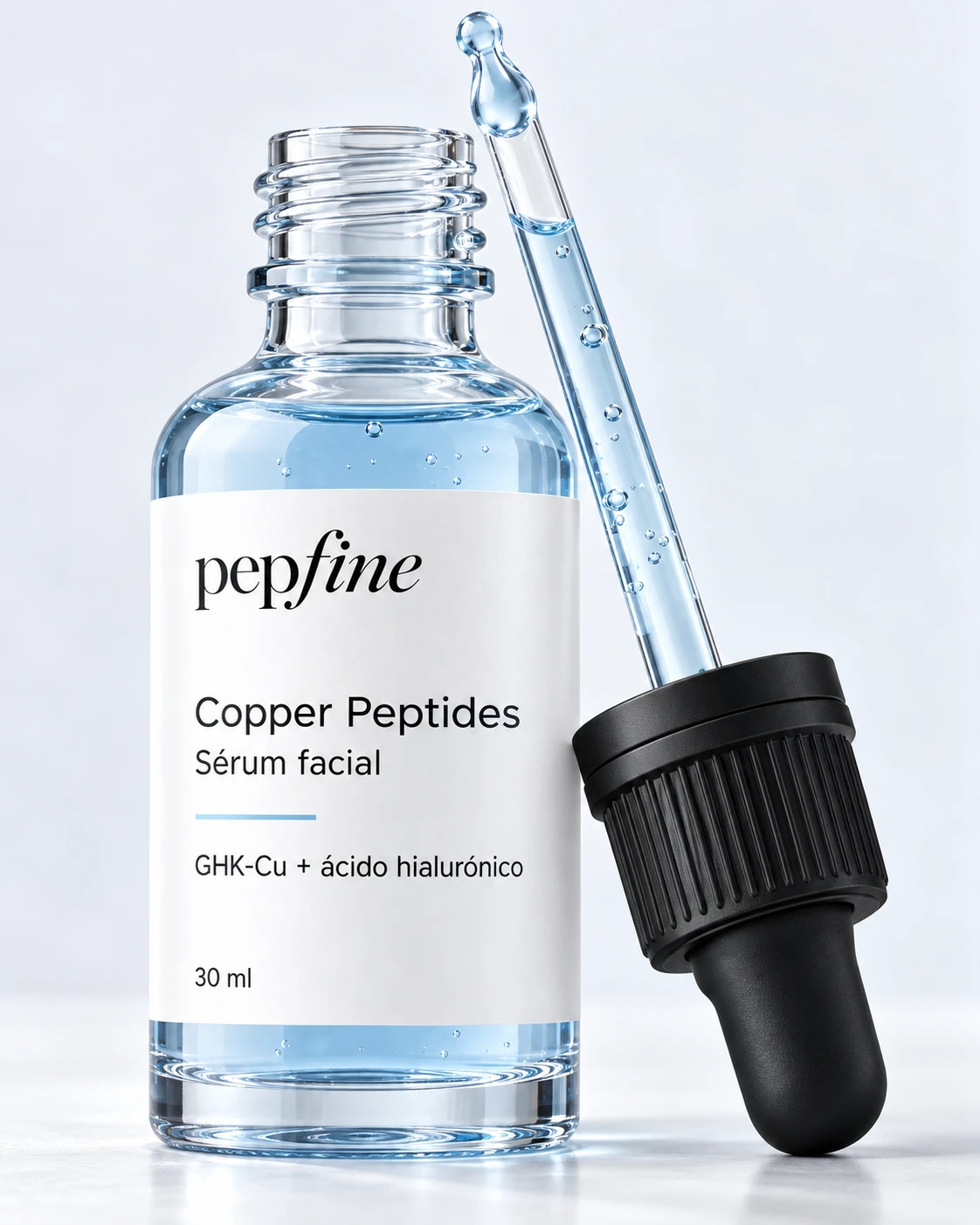
Ingredientes amables como el péptido de cobre y el ácido hialurónico suelen encajar bien en esta etapa. El Sérum Pepfine junta los dos, sin ácidos exfoliantes: 3 o 4 gotas sobre la piel limpia, antes de la crema. Con vitamina C pura, ácidos o retinol, úsalo en otro momento del día.
When to see a dermatologist
If irritation doesn't improve when you simplify your routine, gets worse, comes with swelling or any product stings, even your moisturizer, see a dermatologist. Dryness that doesn't improve may have another cause worth checking.1
Before buying anti-itch creams, ask first: some contain ingredients that can irritate dry skin even more.1
Frequently asked questions
How do I know if my skin barrier is damaged?
The most common signs are stinging with products you used to tolerate, tightness after washing, redness that shows up easily and rough or flaky patches.
Can I use retinol if my barrier is sensitive?
It's better to pause it while your skin feels sensitive. Once it's comfortable, ease back into it a few nights a week; if you're unsure, check with your dermatologist.
What moisturizer should I use to care for my skin barrier?
A fragrance-free cream or ointment rather than a lotion. Look for ingredients like glycerin, hyaluronic acid, shea butter, dimethicone or petrolatum, and apply it while skin is still damp.1
Can oily skin have a sensitive barrier too?
Yes. Being oily doesn't mean being hydrated: oily skin can also feel tight, sting or flake if it's over-cleansed or loaded with actives. A light, fragrance-free moisturizer helps.
¿Puedo usar el Sérum Pepfine si mi piel está sensible?
It has no exfoliating acids, so it usually fits well once skin feels more comfortable. If it's your first time with it, try it on a small area for 24 hours first.

 ✦✦✧✦