

Key takeaways
- El colágeno hidrolizado no llega «entero» a la piel: el cuerpo lo digiere en péptidos y aminoácidos.
- Several reviews of studies found improvements in skin hydration and elasticity, but many of those studies had a risk of bias or were industry-funded.
- A 2025 review found no effect when it looked only at the highest-quality studies or those without industry funding.
- If you try it, expect modest changes, be wary of promises and keep using sunscreen.
¿Sirve el colágeno hidrolizado para la piel? Algunas revisiones de estudios encontraron mejoras en la hidratación y la elasticidad, pero otras, que miraron solo los estudios de mejor calidad, no encontraron efecto. La respuesta honesta tiene matices, y aquí te los explicamos para que decidas con calma.
El colágeno es la proteína que da estructura a la piel, y con los años producimos menos. Por eso los suplementos de colágeno son tan populares. Pero que algo sea popular no quiere decir que funcione igual de bien para todas, así que vale la pena ver qué dicen los estudios.
What happens when you take it
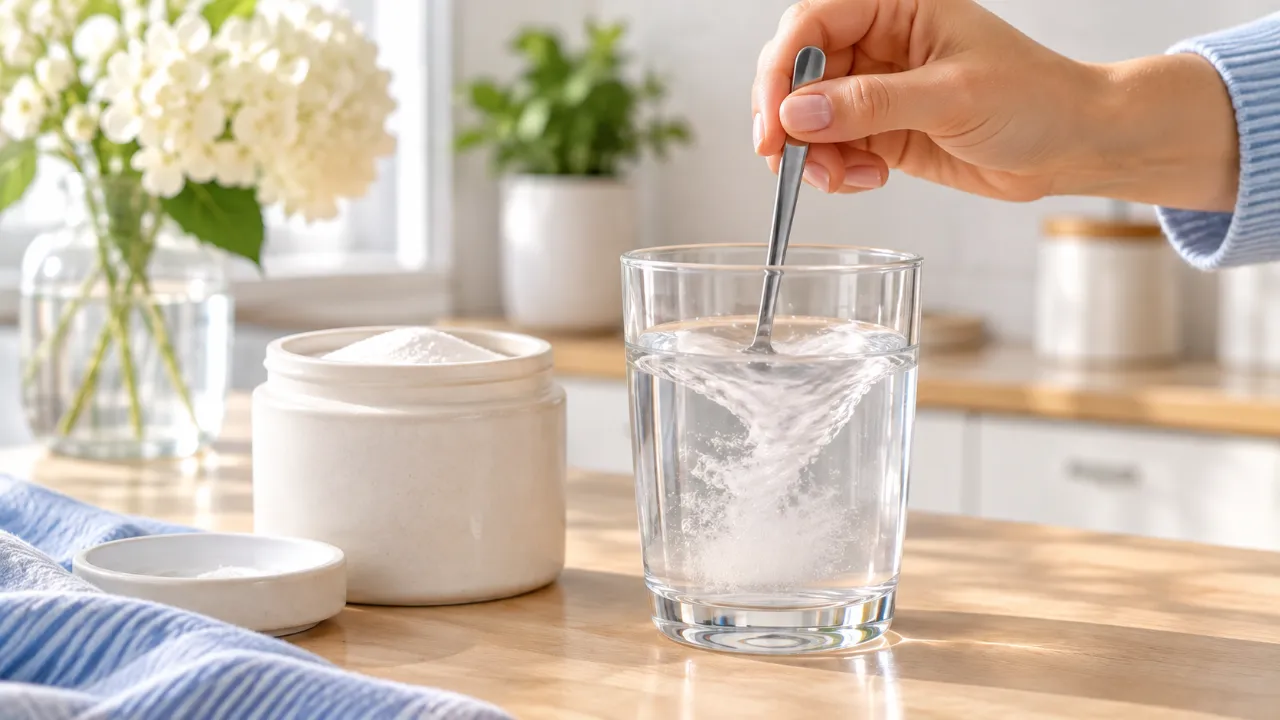
Tu cuerpo no toma el colágeno y lo pega en la piel tal cual. Lo digiere en pequeños fragmentos llamados péptidos y aminoácidos. La idea detrás de los suplementos es que algunos de esos péptidos funcionan como señales que apoyan los procesos naturales de la piel.
What studies say
A 2023 review pooled 26 studies with 1,721 participants and found that hydrolyzed collagen improved skin hydration and elasticity compared with a placebo. The authors themselves pointed out several biases in those studies and called for larger trials.2
A 2025 review of 23 studies with 1,474 participants found something similar when looking at all of them together. But when it separated industry-funded studies from the rest, those without that funding showed no effect on hydration, elasticity or wrinkles. The same happened with the highest-quality studies.1
Another review from 2026, with 25 studies, saw improvements in most of them but rated the majority as having a high risk of bias. It also found that collagen is generally well tolerated, with few adverse effects.3
Why does it matter who pays for a study? It doesn't mean it was done badly, but when the company selling the product funds the research, favorable results are more likely to get published. That's why reviews separate those studies from independent ones and check their quality: it shows how solid the evidence really is.
What to realistically expect
Con esa evidencia, lo honesto es decir que el colágeno hidrolizado puede ayudar un poco a algunas personas, pero no es seguro que funcione y los resultados de los mejores estudios son más modestos que los de la publicidad.
- If you notice anything, it's usually in how skin feels: more hydrated or more elastic, not a different face.
- Studies use instruments to measure small changes that may not be visible to the eye.
- Each study used its own product, amount and duration, so what happened in one doesn't carry over to any bottle.
- Ningún suplemento borra arrugas: desconfía de quien lo prometa.
Piensa también en el costo de oportunidad: si tu presupuesto es limitado, el protector solar diario, una crema hidratante que te guste y una alimentación con suficiente proteína tienen una base más firme que un suplemento de colágeno. Si aun así quieres probarlo, hazlo como un extra, no como lo principal de tu rutina.
How to read the label
- Busca «colágeno hidrolizado» o «péptidos de colágeno».
- Check the amount per serving and how many capsules or scoops make a serving.
- See whether it includes vitamin C, which contributes to normal collagen formation.
- Be wary of promises like «erases wrinkles» or «instant results».
Verás términos como tipo I, II o III, o «multicolágeno». Para la piel, los estudios se han hecho sobre todo con péptidos de colágeno hidrolizado, de origen bovino o marino. Más tipos en la etiqueta no significa necesariamente mejores resultados.
Capsules or powder
Powder allows larger amounts in a single serving; capsules are more convenient but each one holds less. Neither form is better in itself: what matters is the daily amount and consistency.
What collagen doesn't do
It doesn't replace sunscreen, which is what best protects the collagen you already have, or a topical routine. It works best as part of the whole picture: good nutrition, rest, sunscreen and a consistent routine.
Tu cuerpo produce colágeno a partir de las proteínas que comes, con ayuda de la vitamina C. Una alimentación con suficiente proteína, frutas y verduras es la base; un suplemento puede complementarla, no reemplazarla.
Who should check first
Aunque el colágeno suele tolerarse bien, es un suplemento y conviene revisarlo con tu profesional de la salud en estos casos:
- If you're allergic to fish or shellfish: marine collagen comes from fish.
- If you have a kidney condition or were told to watch how much protein you eat.
- If you're pregnant or breastfeeding.
- Si tomas medicamentos o varios suplementos a la vez.
Read the ingredient list too: some powders include flavorings, sweeteners or other ingredients, and some capsules are made of gelatin. Make sure everything works for you before starting.
How to tell if it's working
Before you start, note how your skin feels (dry, tight, soft) and, if you like, take a photo in the same light for yourself. Take it every day without changing the rest of your routine, and check again after a reasonable period of consistent use. If you notice no difference, it's fine to stop: not everything works the same for everyone.
Frequently asked questions
¿De verdad funciona el colágeno hidrolizado para la piel?
The evidence is mixed: some studies show improvements in hydration and elasticity, but the highest-quality ones without industry funding found no effect. If you try it, keep your expectations modest.1
What time of day is best?
There's no magic time. What matters most is taking it every day; choose the moment that's easiest for you to remember.
Is it safe?
In studies it's generally well tolerated, with few adverse effects. If you have allergies (for example, to fish if it's marine collagen), a kidney condition or are pregnant, check with your doctor first.3
Does Pepfine sell collagen?
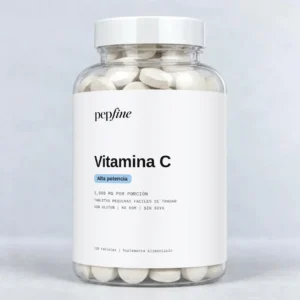
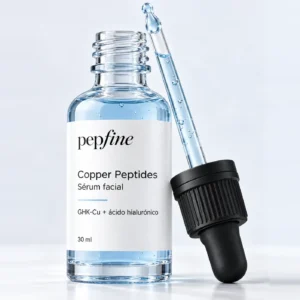
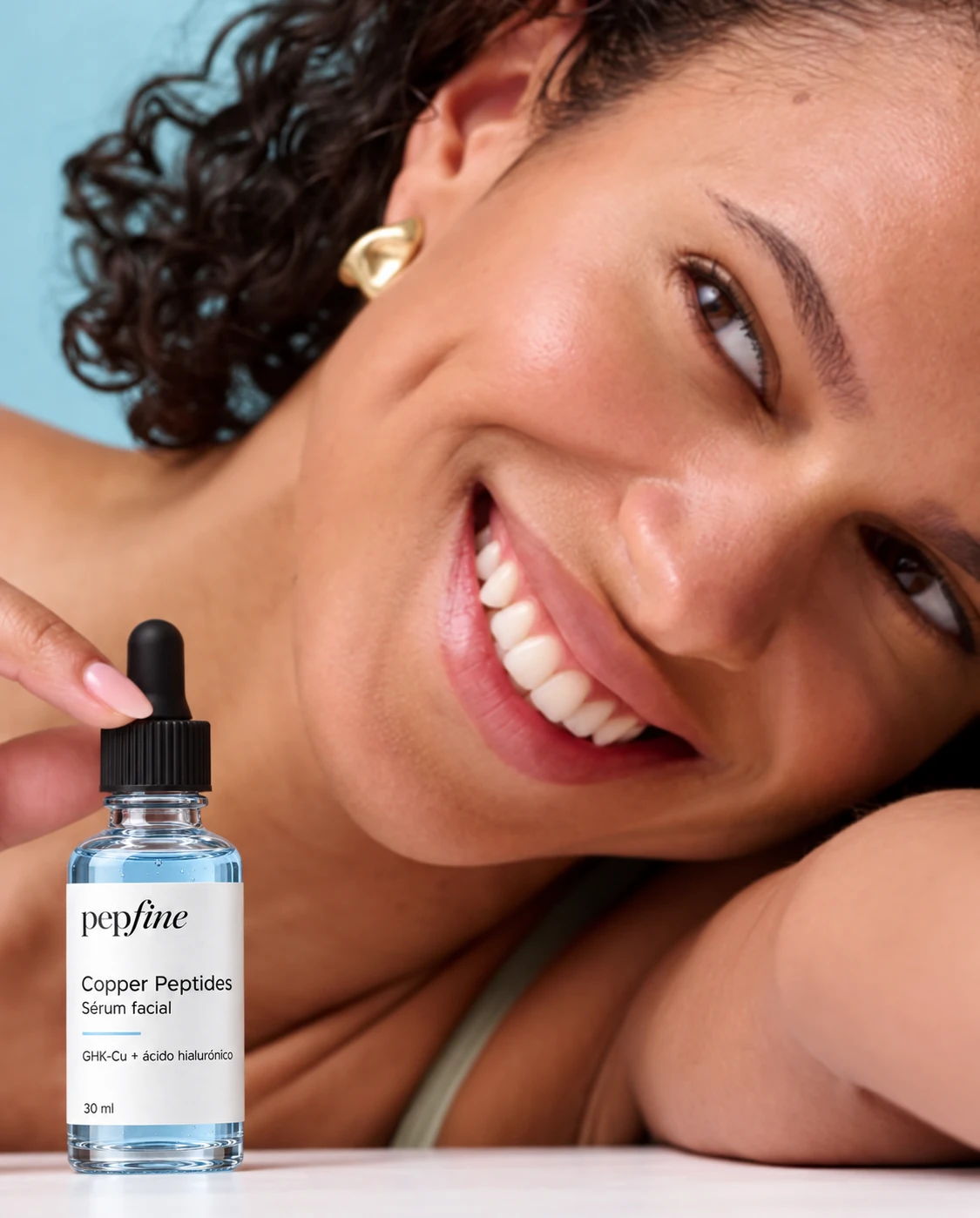
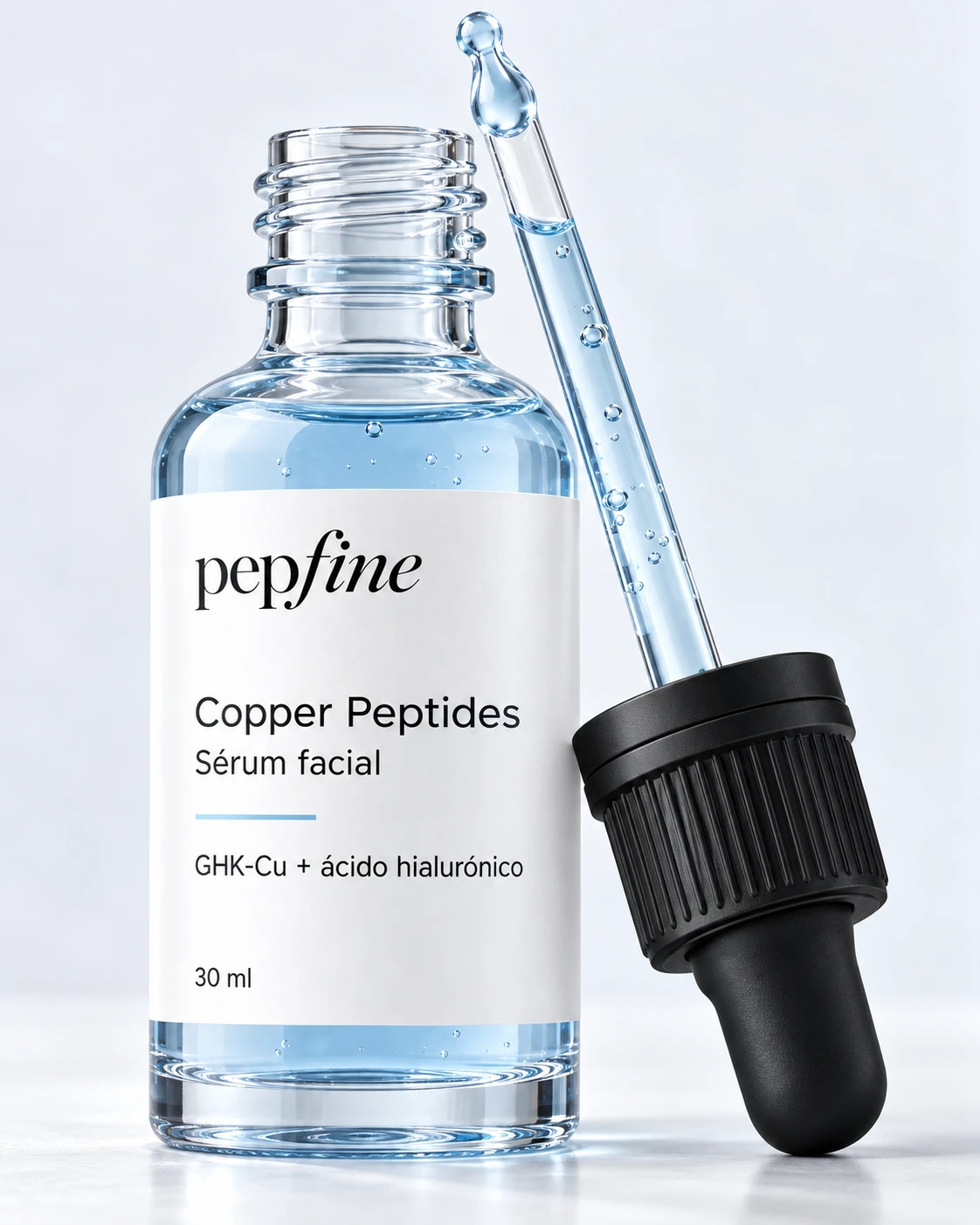
No. Pepfine tiene Vitamina C de 1,000 mg por porción como suplemento alimenticio y, para la piel por fuera, el Sérum Pepfine con péptido de cobre (GHK-Cu) y ácido hialurónico.
Products in this article
Sources
- Effects of Collagen Supplements on Skin Aging: A Systematic Review and Meta-Analysis of Randomized Controlled Trials — The American Journal of Medicine, PubMed (2025)
- Effects of Oral Collagen for Skin Anti-Aging: A Systematic Review and Meta-Analysis — Nutrients, PubMed (2023)
- Efficacy and safety of hydrolyzed collagen supplementation on skin health outcomes: a systematic literature review of randomized controlled trials — European Journal of Clinical Nutrition, PubMed (2026)
 ✦✦✧✦