

Key takeaways
- Sí: en el lenguaje del cuidado de la piel, el péptido de cobre se considera un activo, porque está en la fórmula para cumplir una función.
- "Active" isn't a legal term for cosmetics: in the U.S., "active ingredient" on a label belongs to over-the-counter drugs.
- A diferencia de los ácidos o el retinol, el péptido de cobre no exfolia, así que suele ser un activo amable.
- Treat it like any new active: start slowly, patch test and don't layer it with strong acids at the same time.
¿Cuenta el péptido de cobre como activo? Sí. En el lenguaje del cuidado de la piel, se llama activo a un ingrediente que está en la fórmula para cumplir una función concreta, y el péptido de cobre (GHK-Cu) entra en esa idea. La diferencia es que no exfolia, así que suele ser un activo amable.
Eso cambia cómo conviene acomodarlo en tu rutina. En esta guía te contamos qué significa «activo», qué tipo de ingrediente es el péptido de cobre, en qué se parece y en qué no a los ácidos y al retinol, y cómo usarlo sin saturar tu piel.
What "active" means in skincare
En redes y en tiendas se dice «activo» para hablar de los ingredientes con una tarea: el retinol, los ácidos exfoliantes, la vitamina C, la niacinamida o los péptidos. Lo opuesto serían los ingredientes que dan textura, conservan la fórmula o le dan aroma.
Pero ojo: no es un término legal para los cosméticos. En Estados Unidos, la FDA explica que un producto es cosmético o medicamento según su uso previsto. Los medicamentos de venta libre llevan una lista de «Active Ingredients» en su etiqueta; un cosmético, como un sérum, enumera sus ingredientes de mayor a menor cantidad.1
La FDA también aclara que la palabra «cosmecéutico» no tiene significado legal: un producto es cosmético, medicamento o ambos. Por eso, cuando un sérum habla de su «activo», se refiere a la estrella de la fórmula, no a una categoría oficial.1
Active doesn't mean strong
Many people link "active" with something that stings, peels or that you can feel. That isn't always the case. Some actives work without you noticing anything on your skin, and that doesn't mean they aren't doing their part. Quite the opposite: a product that burns isn't a sign it works better, but a sign your skin is getting irritated. That's why it's worth paying attention to how your skin feels in the following days, not to the sensation in the moment.
Qué tipo de ingrediente es el péptido de cobre
Los péptidos son fragmentos de proteína. Una revisión de 2024 sobre ingredientes cosméticos populares los divide en tres grupos según cómo actúan: transportadores, de señal e inhibidores de neurotransmisores. El péptido de cobre es un péptido transportador, porque lleva cobre a la piel.2
La misma revisión cuenta que se ha usado en cosmética para mejorar la apariencia de líneas finas, arrugas y tono disparejo asociados al sol. En la lista de ingredientes suele aparecer como «copper tripeptide-1».2
How to find it on the label
Busca «copper tripeptide-1» en la lista de ingredientes. Como en los cosméticos los ingredientes van de mayor a menor cantidad, su posición te da una idea general de cuánto hay, aunque los activos suelen usarse en cantidades pequeñas y no siempre aparecen arriba. Lo que más te sirve es ver con qué otros activos viene acompañado: si la fórmula también trae ácidos o retinol, trátala como un producto más intenso.1
How it's similar to and different from acids and retinol
It's similar in that it's an ingredient with a job, so it's worth introducing calmly and not adding it to everything at once. But it differs in something important: it doesn't exfoliate or make skin peel.
Exfoliating acids can irritate. The FDA explains that products with alpha hydroxy acids, such as glycolic acid, can increase skin's sensitivity to the sun, and recommends sunscreen, protective clothing and limiting sun while using them and for a week afterward.3
- Exfoliating acids: renew the surface; can sting or dry.
- Retinol: usually needs an adjustment period.
- Péptido de cobre: no exfolia; suele sentirse ligero y cómodo.
How to treat it in your routine
Piensa en el péptido de cobre como tu paso de sérum. Va después de limpiar y antes de la crema, de mañana y de noche si tu producto lo indica. Con 3 o 4 gotas basta para la cara.
- Cleanse with a gentle cleanser and pat dry.
- Aplica el sérum de péptido de cobre.
- If you use niacinamide, it can go after.
- Finish with moisturizer and, during the day, sunscreen.
If it's your first active
Use it on its own for a few days before adding anything else, so you know how your skin responds. If it reacts easily, patch test first: a few drops behind the ear or along the jawline and wait 24 hours.
If your skin is dry or sensitive
Aplica el sérum sobre la piel limpia y ligeramente húmeda, y sella con una crema que te resulte cómoda. Evita limpiadores que dejen la cara tirante y el agua muy caliente. Si notas que tu piel se siente sensible algún día, salta ese día los activos fuertes y deja solo los pasos básicos.
Which actives to keep it apart from
Even though it's gentle, it's best not to layer it at the same time with strong exfoliating acids, retinol or pure vitamin C. It isn't dangerous, but skin can get irritated and it's hard to tell which product doesn't suit you. The simple fix is to spread them out.
- Vitamina C en la mañana y péptido de cobre en la noche.
- Noches de ácido o retinol sin péptido de cobre; las demás, con él.
- Niacinamide and simple moisturizers: can be used alongside it.
A useful rule: count how many strong actives you use a week. If your skin feels tight, red or stings, remove one before adding another, and wait until it feels comfortable again.
A sample week
- Mañanas: limpiador, vitamina C o péptido de cobre, hidratante y protector solar.
- Two or three nights: cleanser, your acid or retinol and moisturizer.
- Las demás noches: limpiador, péptido de cobre e hidratante.
Es solo una guía. Si tu piel se siente cómoda, mantenla; si se irrita, deja más noches solo con péptido de cobre e hidratante.
Common mistakes
- Thinking that, because it's gentle, it can go with everything at once.
- Using more drops than needed.
- Starting several new products on the same day.
- Forgetting sunscreen, especially if you also use acids.
If you notice burning that doesn't go away, tightness, flaking or new redness, go back to basics for a few days: gentle cleanser, moisturizer and sunscreen. If the discomfort is strong or doesn't go away, stop and see a dermatologist.
Frequently asked questions
¿El péptido de cobre cuenta como activo?
Yes, in the sense that it's an ingredient with a job in the formula. It isn't an exfoliating active, so it's usually better tolerated than acids or retinol.
¿Puedo usar péptido de cobre todos los días?
Muchos sérums de péptido de cobre se usan mañana y noche. Sigue lo que indica tu producto y, si tu piel es sensible, empieza con una vez al día.
¿Por qué mi sérum no dice «ingrediente activo»?
Because it's a cosmetic. In the U.S., the "Active Ingredients" list is for over-the-counter drugs. A cosmetic lists all its ingredients from most to least.1
¿El Sérum Pepfine lleva ácidos?
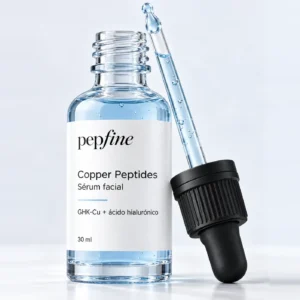
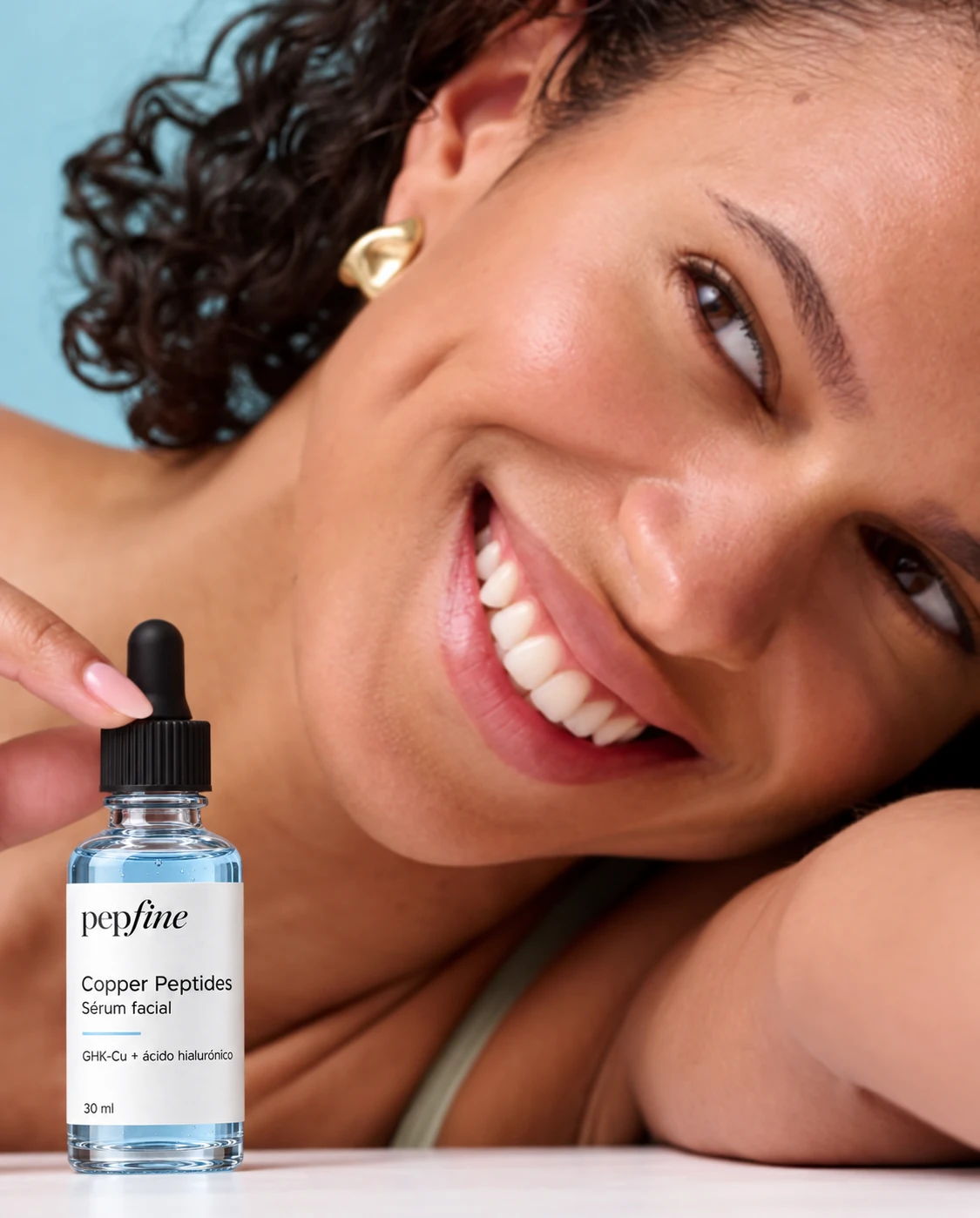
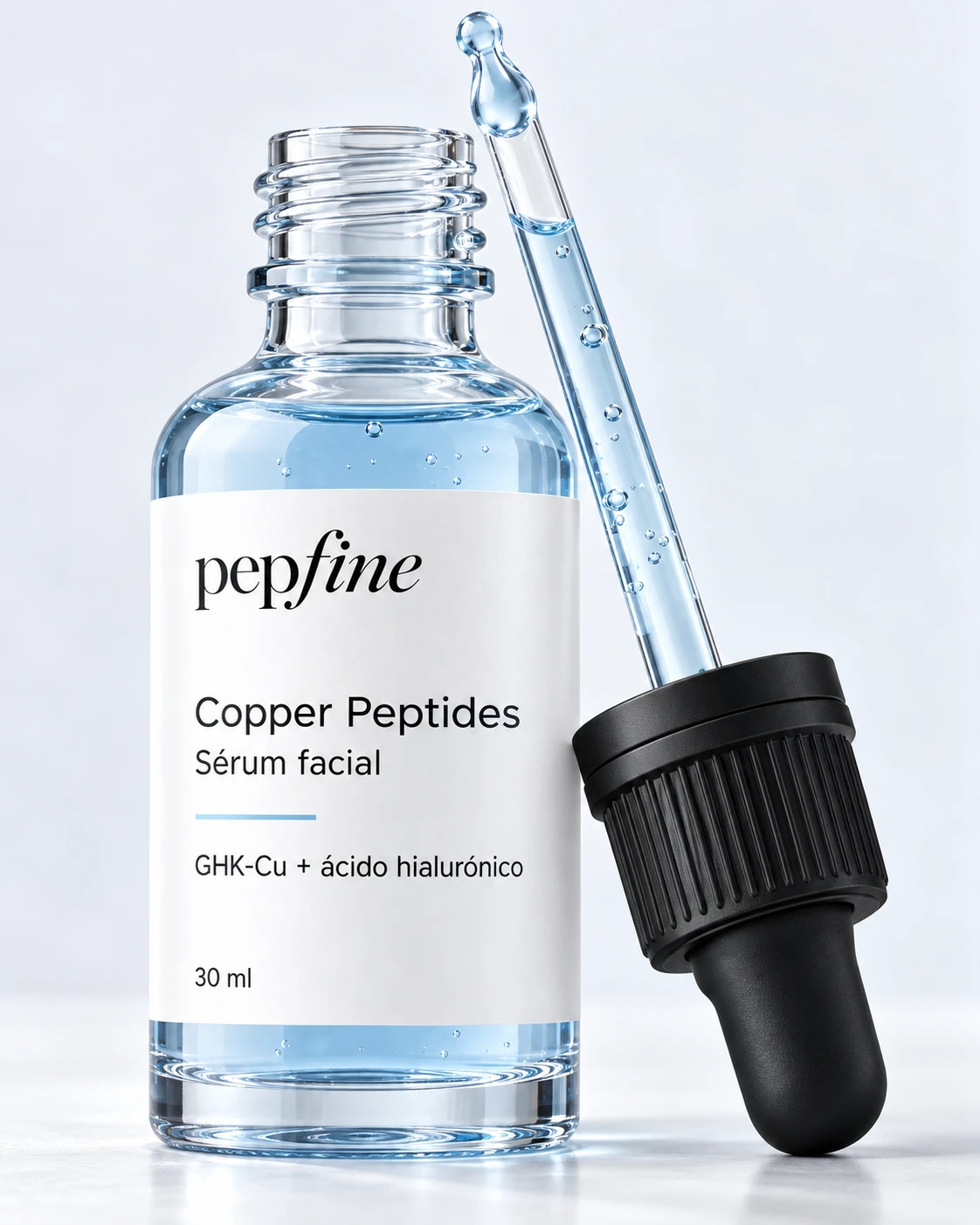
No. Lleva péptido de cobre (GHK-Cu) y ácido hialurónico, sin ácidos exfoliantes. Se aplican 3 o 4 gotas mañana y noche sobre la piel limpia, antes de la crema.
 ✦✦✧✦