

Key takeaways
- If the skin feels smooth and only the color changes, it's a mark; if there's a dip or a raised area, it's a scar.
- Flat marks aren't scars and usually fade over time.
- Una rutina en casa ayuda a que el tono se vea más parejo, pero ningún sérum rellena un hoyito.
- Changing a scar's texture takes a visit to a dermatologist.
Many people call any trace a breakout leaves an acne scar, but it isn't always one. Often it's a mark: color left in the skin. Knowing what you have changes what you can expect from your routine and helps you avoid spending on products that won't do what they promise.
In this guide we explain how to tell them apart with a simple test, the types of scars there are, what a home routine can do and what to expect from a visit to a dermatologist.
The finger and light test
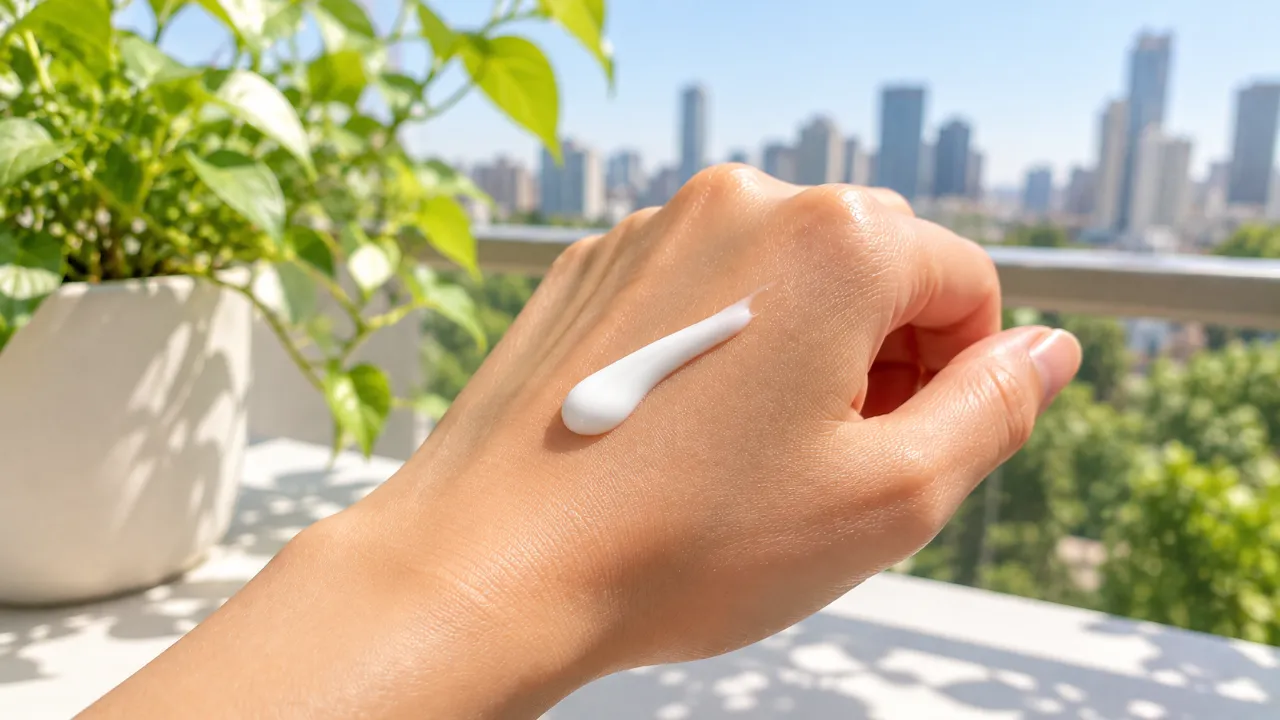
With a clean face and good light, run your fingertip over the mark. If the skin feels smooth and only the color changes, it's a mark. If you feel a dip, an edge or a raised area, it's a scar.
To confirm, look at your skin with light from the side, for example next to a window. A mark looks the same from any angle. A dip casts a small shadow that changes as you move your face.
Marks: the color changes, the texture doesn't
When a breakout clears, a flat spot can remain. The American Academy of Dermatology explains that these spots usually aren't scars. Their color depends on skin tone: on lighter skin it's usually red or pink, and on medium or darker skin, brown, sometimes bluish gray.1
These spots usually fade over time. Some people also get spots lighter than their skin tone, which aren't scars either. This is where a good routine really helps: daily sunscreen, gentle products and nothing irritating.1
Scars: the texture changed
When inflammation went deep, skin can be left with dips or, less often, raised areas. The AAD explains that most people with scars have the sunken kind and often have more than one type at once.1
Sunken scars
- Ice pick: small but deep. They're the most common.
- Boxcar: a round or oval dip, wider than ice pick scars.
- Rolling: wide and shallow; when there are several, skin looks wavy.
Raised scars
They appear when skin makes too much collagen while healing, and they're more common in darker skin tones. They can feel firm and show up on the jawline, chest or back. Some grow larger than the original breakout. If you notice skin thickening where you had a breakout, see a dermatologist soon.1
If you have both
That's the most common case. Caring for marks at home makes skin look more even and makes scars less noticeable. Also, when a scar first appears, it often comes with some discoloration that fades over time, even though the scar remains.3
That's why it helps to wait for the color to fade before deciding how marked the texture is: sometimes what looked like a lot of scarring was, in good part, discoloration.
What a home routine can do
- Help tone look more even.
- Make skin feel smoother and more comfortable.
- Protect from the sun, which makes marks look more noticeable.
- Avoid irritation that leaves new marks.
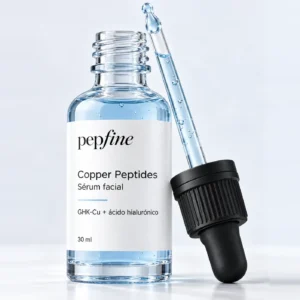
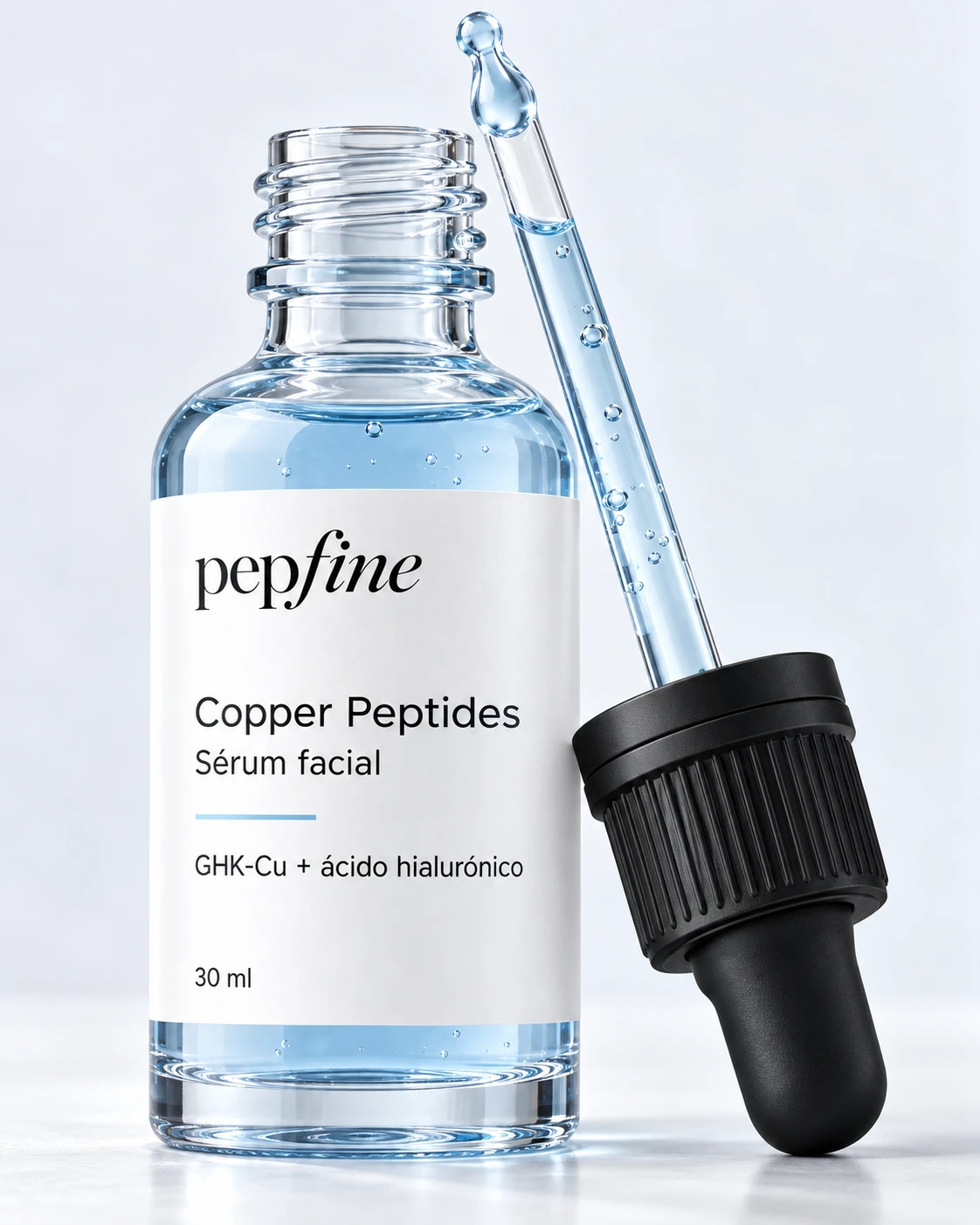
Lo que no puede hacer es cambiar la forma de un hoyito o de un relieve. Ningún sérum rellena un hundimiento. Un sérum con péptido de cobre (GHK-Cu) y ácido hialurónico puede ayudar a mejorar la apariencia del tono y la textura alrededor, pero no sustituye una consulta.
One habit that does make a difference: don't squeeze, pop or pick at breakouts. Doing so increases inflammation, and the more inflamed the skin, the more likely a scar is.3
How to track your progress with photos
Take a photo on day one, always in the same spot, with the same light and the same angle. Natural light from the front shows color best, and an extra photo with side light helps you see texture. Repeat every few weeks and compare the photos to each other, not to what you see in the mirror each morning. That way you can tell whether what's changing is the color, the texture or both, and you arrive at your appointment with useful information.
What to expect from a dermatologist visit
The AAD explains that not everyone needs to do something about their scars: it's a personal decision. If they bother you, at the appointment the dermatologist examines your skin, what type of scar you have and where, because each type is handled differently.2
Then they build a plan based on the type and number of scars, your age, your skin tone and other factors. If you still get breakouts, the first step is usually getting them under control, so you don't add new scars.2
Questions to bring
- How do I want my skin to look?
- How much recovery time can I allow?
- How much time can I give to appointments and skin care?
- What products do I use now or have used in recent years?
The AAD recommends telling your dermatologist everything you've used for breakouts in the last two years, because some procedures don't combine well with certain products.2
Frequently asked questions
Do scars go away on their own?
They can soften, but they rarely go away completely on their own. Flat marks, on the other hand, usually fade over time.3
Is a red mark a scar?
If it's flat, usually not. On lighter skin, the marks a breakout leaves are often red or pink and don't change the texture.1
¿Puedo usar un sérum si tengo cicatrices?
Sí. Un sérum suave puede ayudar al tono y a la apariencia general de la piel. Solo ten claro que no cambia la forma de la cicatriz y que, si vas a hacerte un procedimiento, conviene preguntarle a tu dermatóloga qué usar en los días previos y durante la recuperación.
¿El Sérum Pepfine lleva ácidos?
No. Lleva péptido de cobre (GHK-Cu) y ácido hialurónico, sin ácidos exfoliantes. Se aplican 3 o 4 gotas mañana y noche sobre la piel limpia, antes de la crema.

 ✦✦✧✦