

Key takeaways
- El PDRN (polidesoxirribonucleótido) está hecho de fragmentos de ADN purificados y se usa en sérums, cremas y mascarillas.
- On ingredient lists it may appear as sodium DNA or hydrolyzed DNA.
- Un sérum de PDRN va sobre la piel limpia y seca, antes de la crema, mañana y noche; de día termina con protector solar.
- Combina bien con ácido hialurónico, niacinamida, péptidos y ceramidas; con retinol o ácidos, mejor alternar.
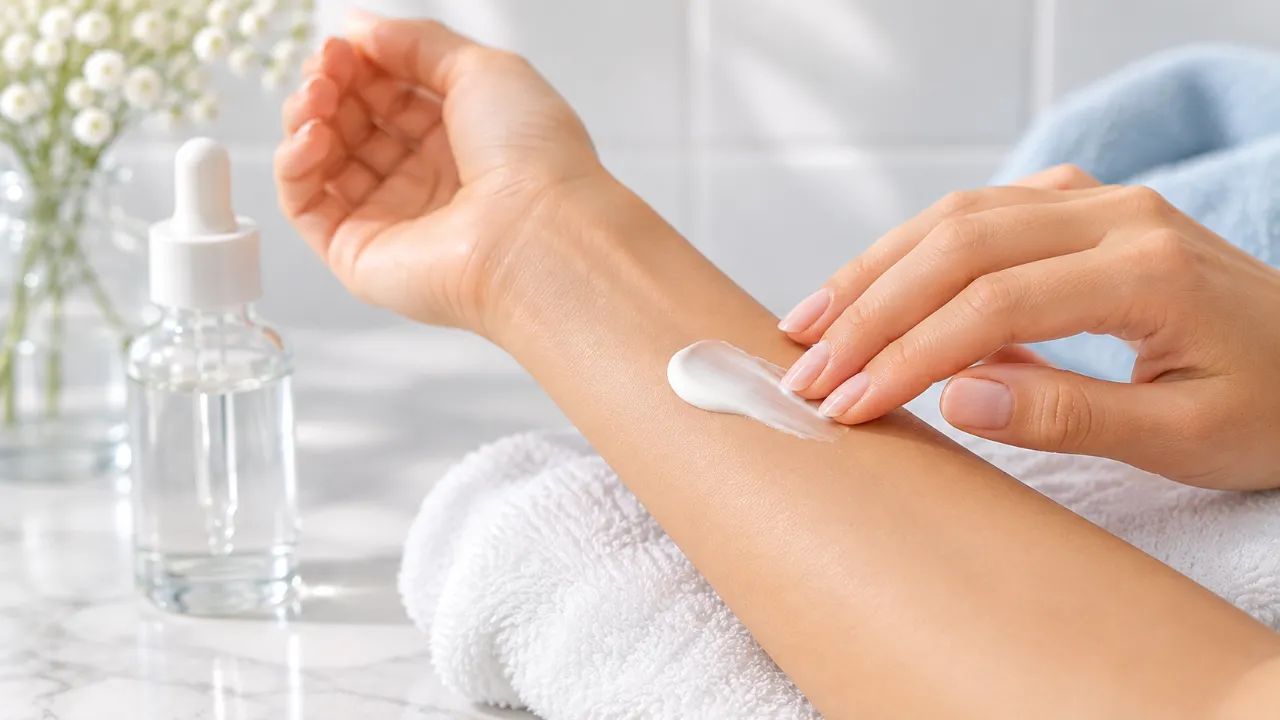
- Before first use, try a few drops on your forearm and wait 24 hours.
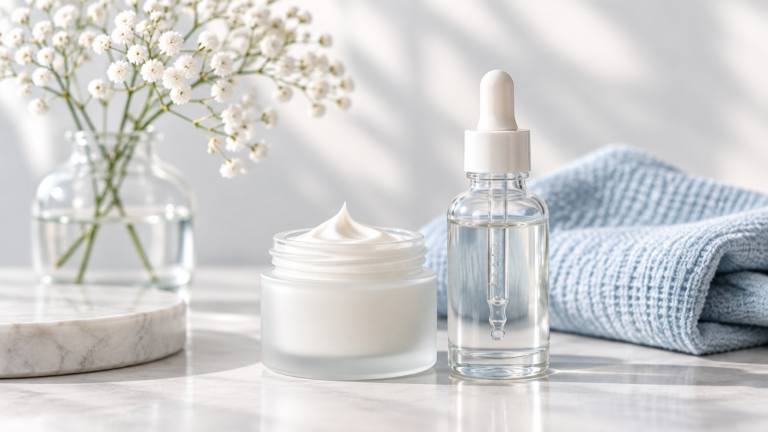
El PDRN es un ingrediente de cosmética hecho de fragmentos de ADN purificados que se usa en sérums y cremas por su sensación hidratante y ligera. Un sérum de PDRN se aplica sobre la piel limpia y seca, antes de la crema, de mañana y de noche.
It has become one of the most searched-for ingredients in skincare. Here's what it is, where it comes from, how to spot it on a label and how to use it in your routine, without exaggerated promises.
¿Qué es el PDRN?
PDRN son las siglas en inglés de polidesoxirribonucleótido. Es un biopolímero derivado del ADN, es decir, cadenas de fragmentos de ADN. Se encuentra en distintas presentaciones de cosmética, como geles, cremas, sérums y mascarillas.1
El PDRN que se usa hoy se obtiene principalmente del esperma de salmón, sobre todo de salmón chum y trucha arcoíris, porque de ahí se consigue ADN muy purificado. También se han desarrollado versiones de origen vegetal, por ejemplo de algas.1
El origen cambia de un producto a otro. Si sigues una rutina vegana o prefieres evitar ingredientes de origen animal, pregunta a la marca de dónde viene el PDRN de su fórmula.
PDRN y PN: por qué se confunden y cómo leer la etiqueta
Junto al PDRN vas a ver otro término: PN, de polinucleótidos. Los dos vienen del ADN y la diferencia está en el largo de sus cadenas: el PN tiene cadenas más largas y el PDRN, más cortas.2
In the scientific literature the two names have been used interchangeably, which has caused confusion. That's why some authors have proposed separating them by molecule size. For formulas applied to the skin, like creams or gels, shorter-chain versions are preferred.1
En la lista de ingredientes de un cosmético, el PDRN suele registrarse como «sodium DNA» o «hydrolyzed DNA». Si buscas un producto con PDRN y no ves ninguno de esos nombres, revisa la descripción para confirmar qué lleva.2
Por qué el PDRN se usa en cosmética
En un sérum, el PDRN suele ir acompañado de ácido hialurónico para que la piel se sienta más jugosa, suave y luminosa. Su textura acostumbra ser ligera, así que encaja bien en rutinas cortas.
- It feels light and absorbs quickly.
- It isn't an exfoliant, so it's not meant to peel the skin.
- It can be used morning and night.
- It pairs with many of the ingredients already in your routine.
Buena parte de la investigación sobre el PDRN no se ha hecho con cosméticos de uso diario. En un sérum, lo honesto es hablar de cómo se siente y se ve la piel: hidratada, suave y con un aspecto más luminoso.
As with any ingredient, consistency matters more than quantity. Use it every day, with the same routine, and give it time before judging whether you like how your skin feels. Switching products every few days makes it hard to know what works for you.
Cómo usar un sérum de PDRN de mañana y de noche
In the morning
- Cleanse your face with a gentle cleanser and pat it dry.
- Aplica 2 o 3 gotas del sérum sobre la piel limpia y seca, en cara y cuello.
- Follow with your moisturizer.
- Finish with sunscreen.
At night
- Remove makeup and sunscreen, and cleanse your face.
- Aplica 2 o 3 gotas del sérum.
- Seal with your moisturizer.
Así se usa el sérum Glow PDRN: 2 o 3 gotas sobre la piel limpia y seca, mañana y noche, y después tu crema; de día, protector solar. Es solo para uso externo: evita el contacto con los ojos.
Con qué combinar el PDRN
El PDRN va bien con ingredientes que hidratan y cuidan la barrera de la piel:
- Hyaluronic acid, which helps skin hold on to moisture.
- Niacinamide.
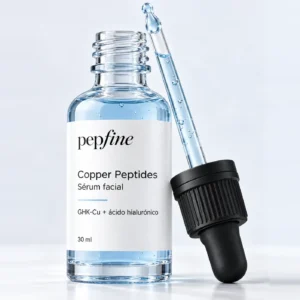
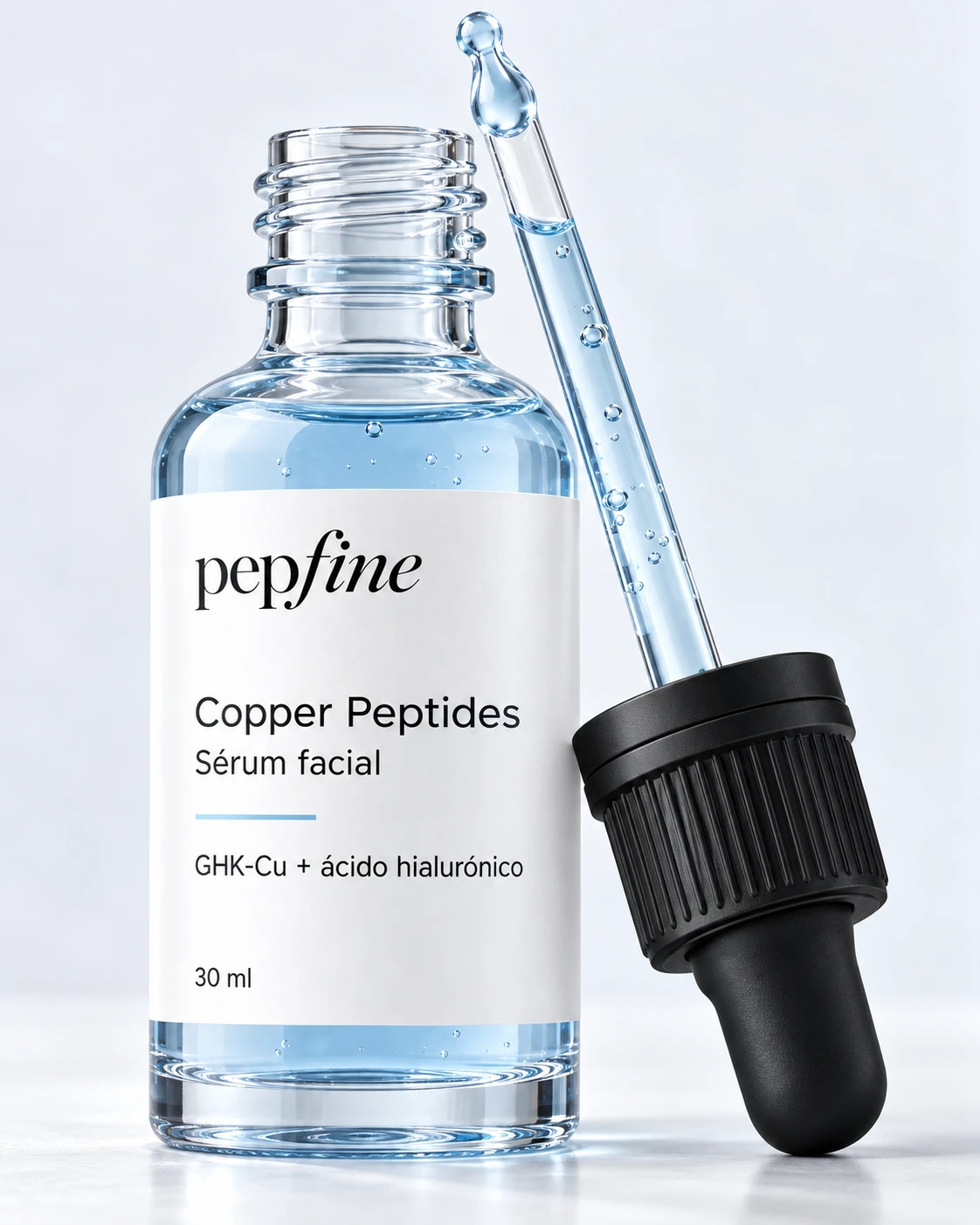
- Péptidos, como el péptido de cobre.
- Ceramides and moisturizers.
- Sunscreen, always during the day.
Si usas retinol o ácidos exfoliantes, alterna noches para no saturar la piel. Y si quieres usar dos sérums, una opción sencilla es uno por la mañana y otro por la noche, en lugar de poner varias capas al mismo tiempo.
Common mistakes and when to see someone
- Skipping the patch test. Before first use, apply a few drops to your forearm and wait 24 hours.
- Using more drops than directed: more product doesn't mean better results.
- Applying it over moisturizer instead of under it.
- Forgetting sunscreen in the morning.
- Adding several new products at once: if something doesn't agree with you, you won't know which one.
If you notice irritation, stop using it. If you have a skin condition or are pregnant or breastfeeding, check with your dermatologist before adding a new product. And to compare how your skin changes, take photos every so often in the same light and at the same angle.
Frequently asked questions
¿El PDRN es de salmón?
La mayor parte del PDRN que se usa hoy viene del esperma de salmón o de trucha, aunque también existen versiones de origen vegetal. El origen depende de cada fórmula, así que conviene preguntarle a la marca.1
¿Puedo usar PDRN y retinol en la misma rutina?
Sí, pero mejor sin juntarlos en la misma capa. Una opción es usar el retinol algunas noches y el sérum de PDRN en las mañanas o en las noches sin retinol.
¿El PDRN sirve para piel sensible?
It isn't an exfoliant, so many people find it comfortable. Still, every skin is different: do the 24-hour patch test before using it on your whole face.
¿Qué diferencia hay entre el PDRN y el péptido de cobre?
Son ingredientes distintos: el PDRN viene de fragmentos de ADN y el péptido de cobre (GHK-Cu) es un péptido pequeño unido a cobre. Los dos se usan en sérums ligeros y se pueden tener en la misma rutina, por ejemplo uno en la mañana y otro en la noche.
¿Cuántas gotas del sérum Glow PDRN uso?
2 to 3 drops on clean, dry skin, morning and night. Then apply your moisturizer and, during the day, sunscreen.
Sources
- From Polydeoxyribonucleotides (PDRNs) to Polynucleotides (PNs): Bridging the Gap Between Scientific Definitions, Molecular Insights, and Clinical Applications of Multifunctional Biomolecules — Biomolecules, PMC (2025)
- Comparison of Polynucleotide and Polydeoxyribonucleotide in Dermatology: Molecular Mechanisms and Clinical Perspectives — Pharmaceutics, PMC (2025)
 ✦✦✧✦